Nicosia
29 August 2024
On a late summer day,on a hot sunny day,I longed for a breeze.
My body burned slowlylike a cigar in an ashtray.My heart felt as thoughit would burst.
Had my brain been swallowed?Was my skin shrinking?Night and day,that terrible migraine.
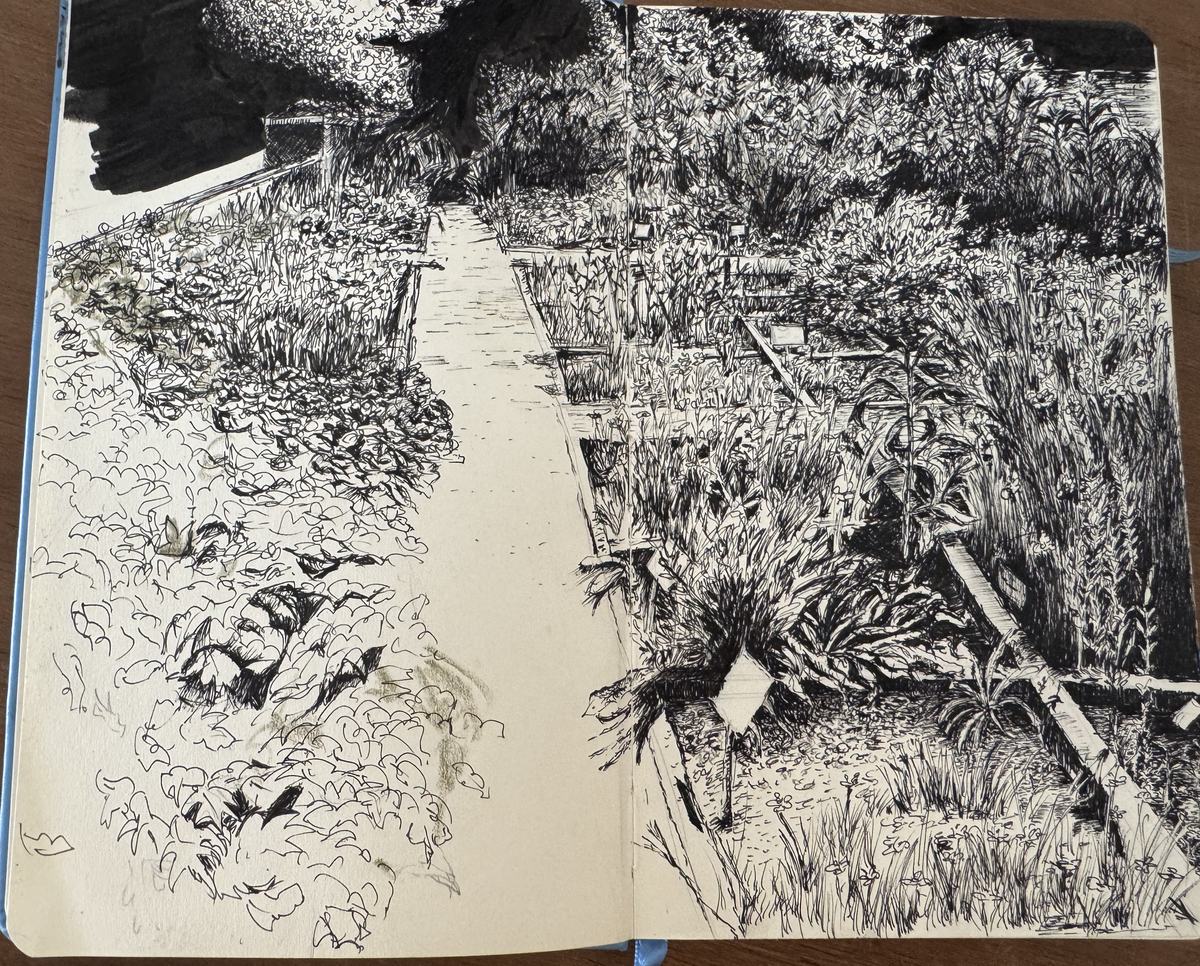
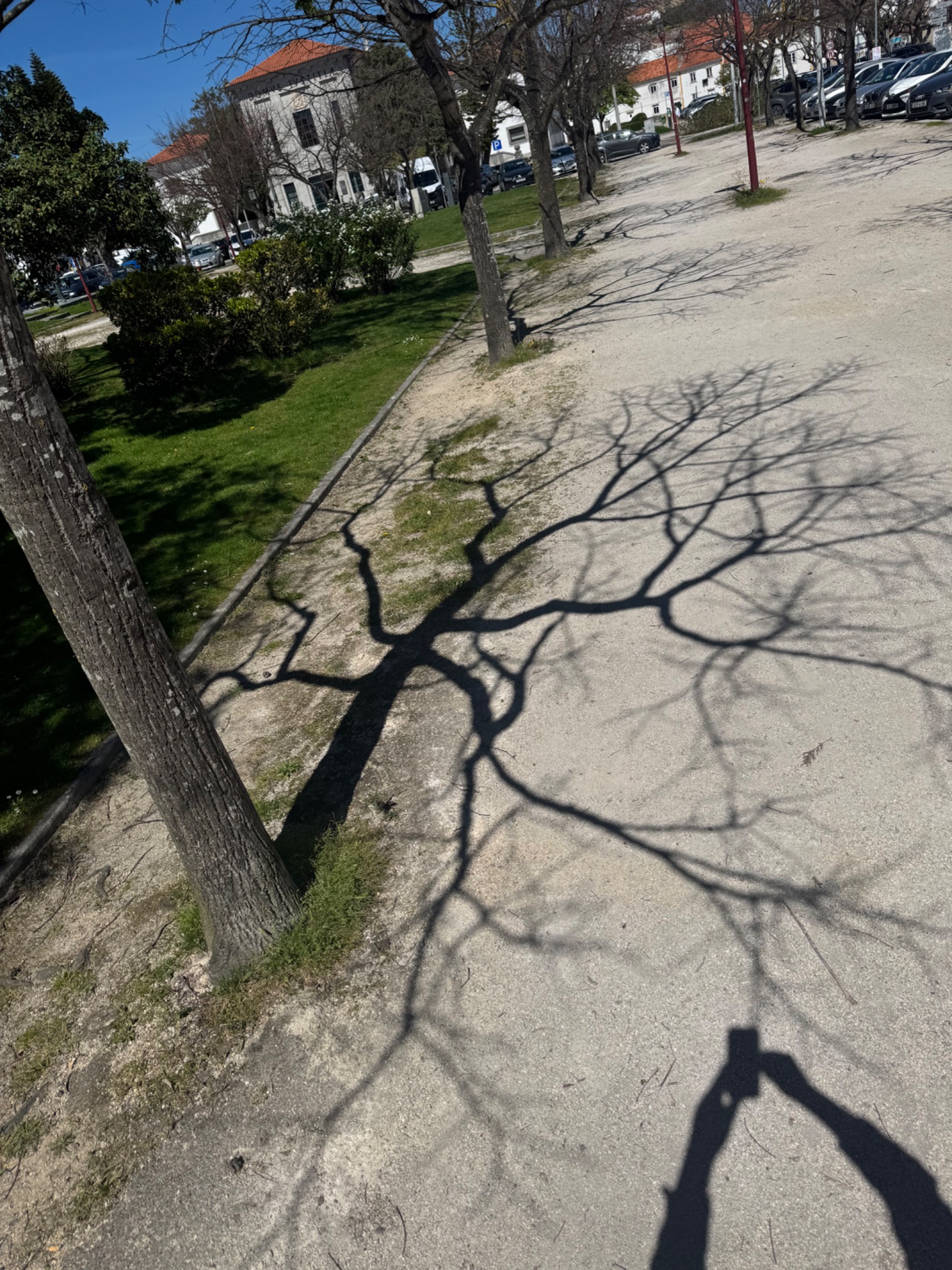
Until one day,seated on a garden bench,softly and gently,I felt it.
All my hairs electrified.My burned skin found relief.
A different kind of feelingfilled my being.A gentle touch,one of pleasure,one of lust,like the soft hand of a lover.
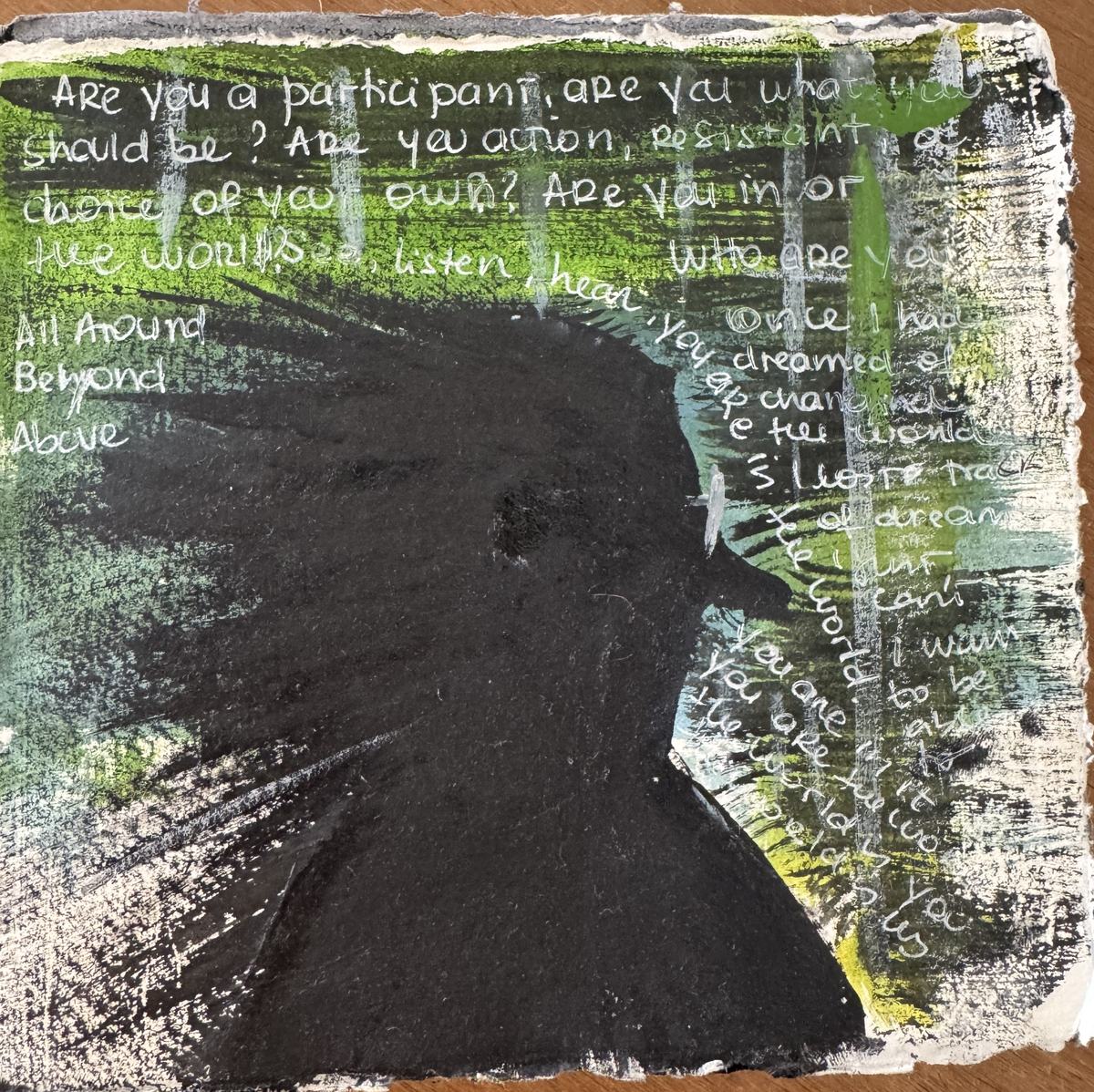
I closed my eyes intensely.Invisible hand,unshaped body,all around my being.
Come, wind,and take me as a lover.Make me live again.Come back.Take me from this burning fire.
Through the Shutters
25 September 2024
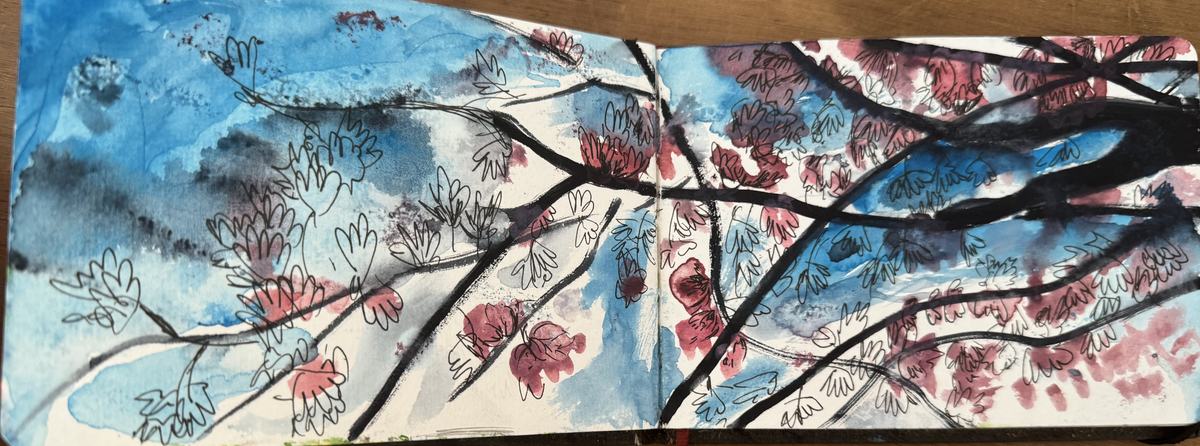
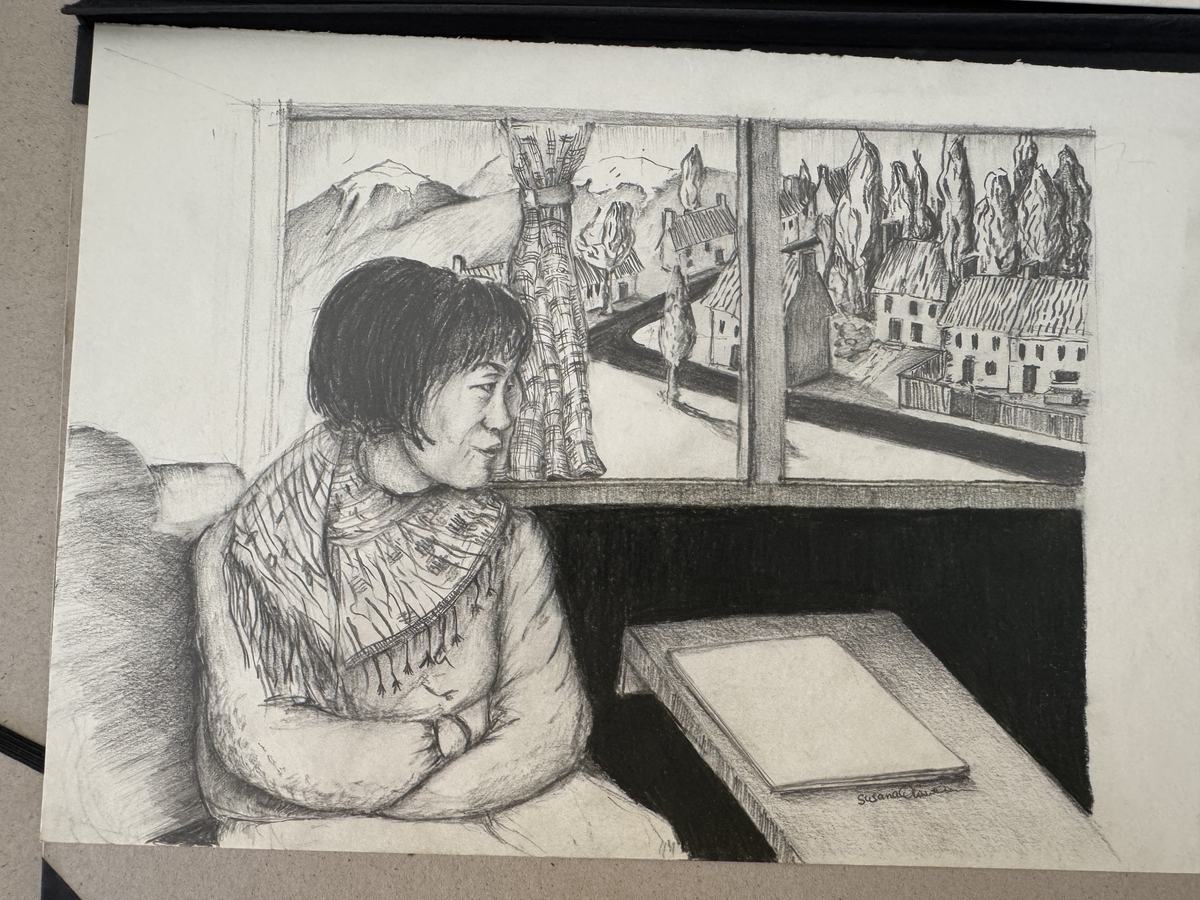
Through the gaps in the shutters,I hear the wind blowing outside.Huddled in my living room,I flick through a book.
It comforts me to feel the silence of the houseinterrupted by the sound of children playing somewhere.They must be in the bedroom too,enjoying the moment.
The wind blows harder.
I hear a cry and get up to seewhat has interrupted the moment.
As I climb the stairs, the windows open.
A bang is heard,an uproar suddenly arrivesand rips through the house like thunder.
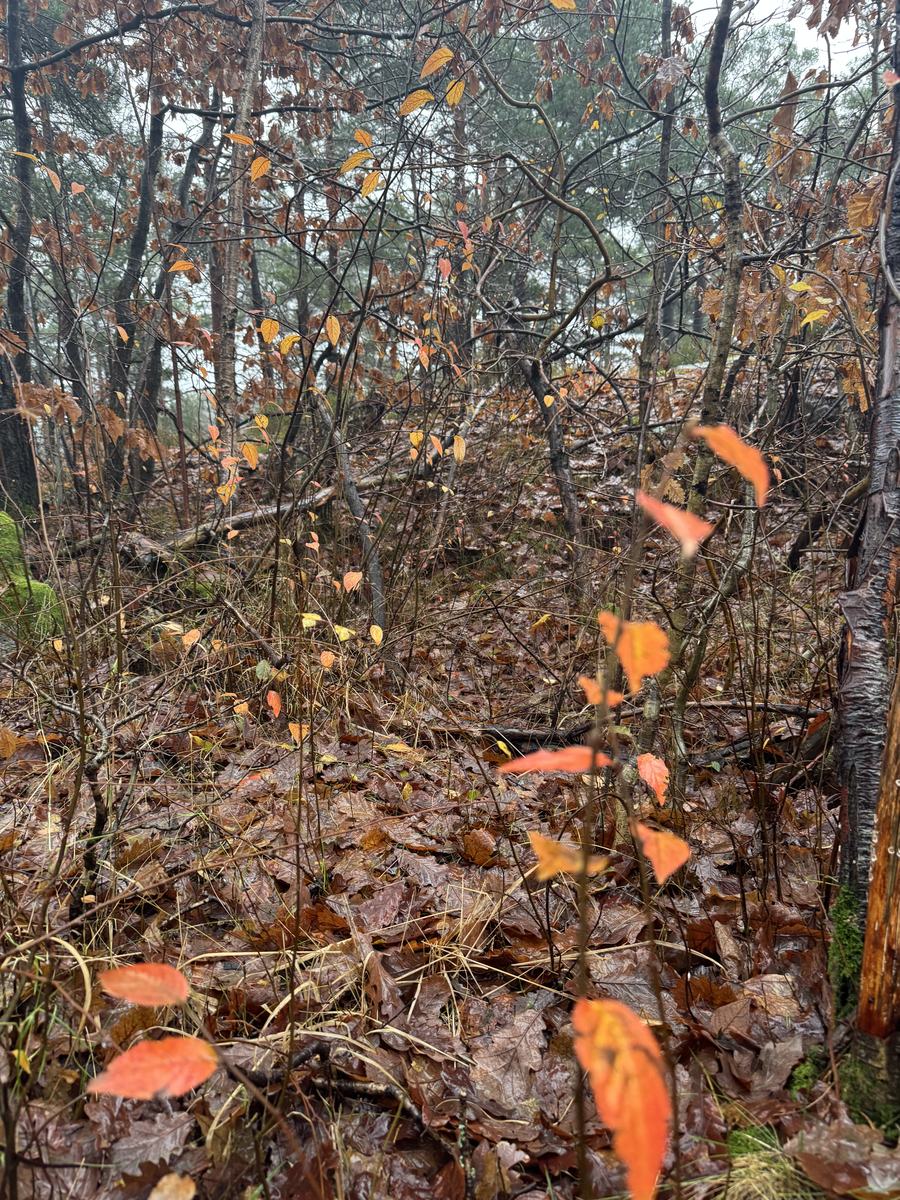
I hear the rustle of leaves,so many leaves, as I climb the stairs.
When I reach the room,I notice that the children are different.
So grown up.
Had I not noticed?
I am suddenly pushed.My hair and clothes flutter in the wind.Leaves climb the stairsand scatter everywhere.
The house is in turmoil.The roads are no longer the same.
Disorganised, the letters scatter across the floor.The pages I had leafed through moments beforeare now torn and battered.
The disorder of the letters makes everything tasteless,meaningless.
What stories would they have told me?
From the once-familiar corridor,the city can be seen in the distance.
People running,cars speeding.
Without looking back,they move through the hypnotic trance of arriving.
I think of the leaves scattered on the ground.Empty, blank.Had they always been like this?
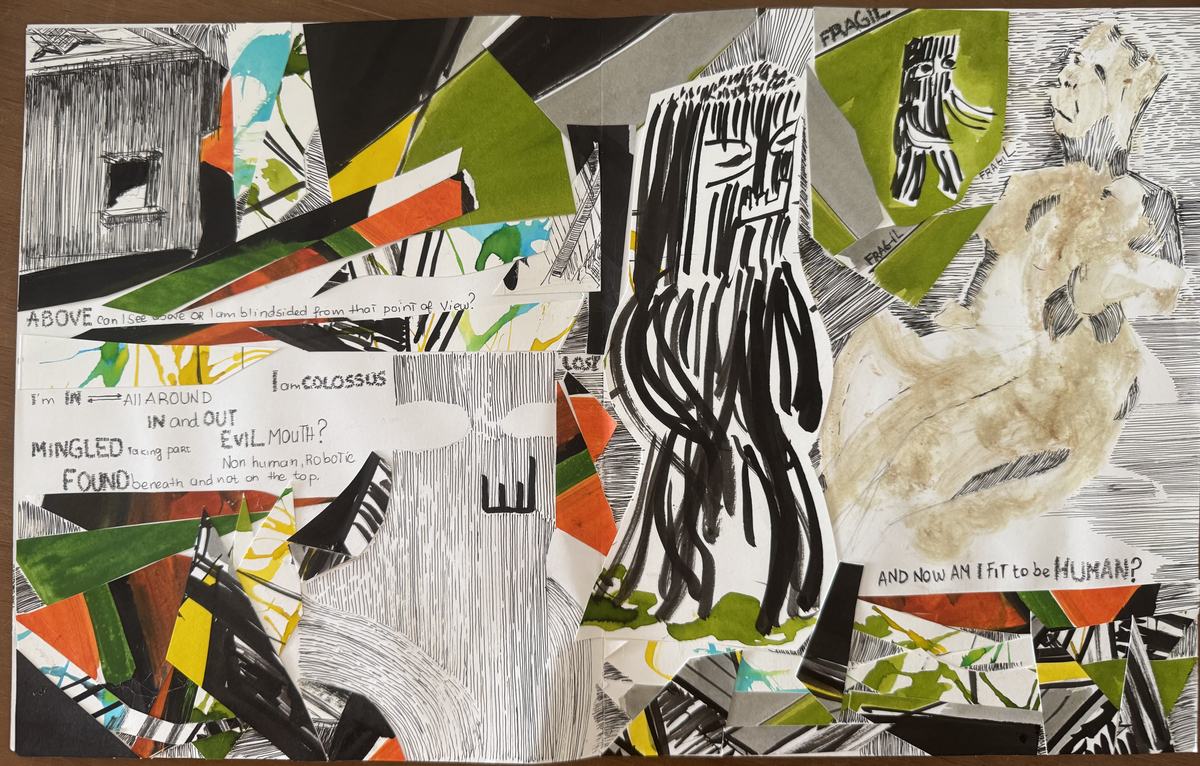
We descend the stairsand follow the streets with impossible perspectives.We run and follow the crowd.
To the right,I see a face mirrored in a shop window.She watches me and mirrors my movements.Two young men follow her by the hand, just like me.
Who is she, I wonder?
But then I forget and move on.
9 March 2025
Being you, wherever you are,The sound of rain clapping against the window glassReminds you that there is a world out thereAnd that you live in it.Something is happening out thereAnd it is calling you.It's almost like feeling home…
At the Main Library
12 March 2025
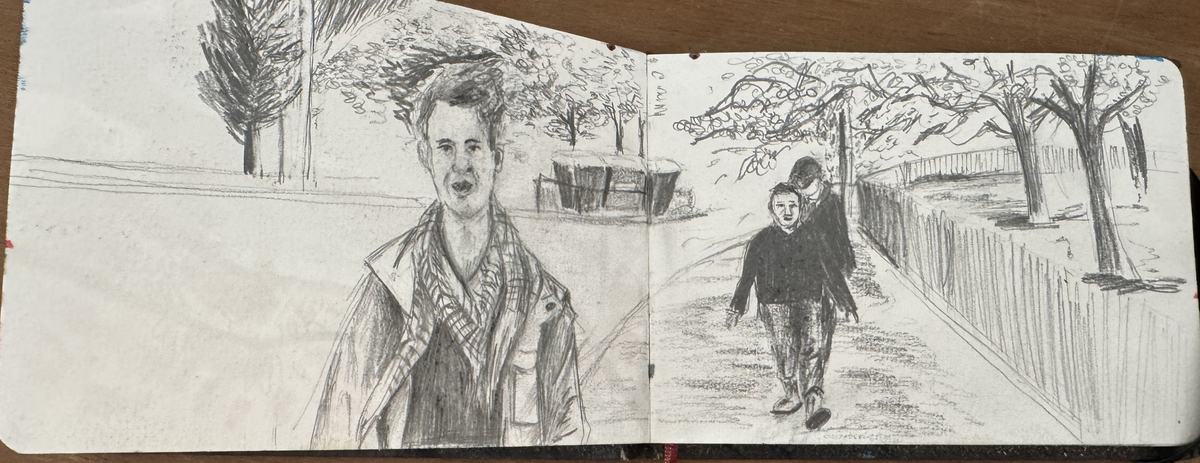
A young woman talks to a young manin the main library hall.
They have been talking for a while.Topics come and go,one after another.
She runs through wordslike a person running through a storm,pushed by the wind.
He follows her speechat a different speed,as if in another musical tempo.
I am seated, trying to think,but my mind is disturbedby the fuss her emotions are making.
The three of us embody different rhythms.
Finally, they leave.
I feel the slow rhythmof people crossing the hall,talking at a distance,turning the pagesof the books they are reading.
I can hear the silence.
Goodbye Edinburgh
29 July 2025
I have been saying goodbye to the city for several days. In a week, I will return to Portugal, where my family is waiting.
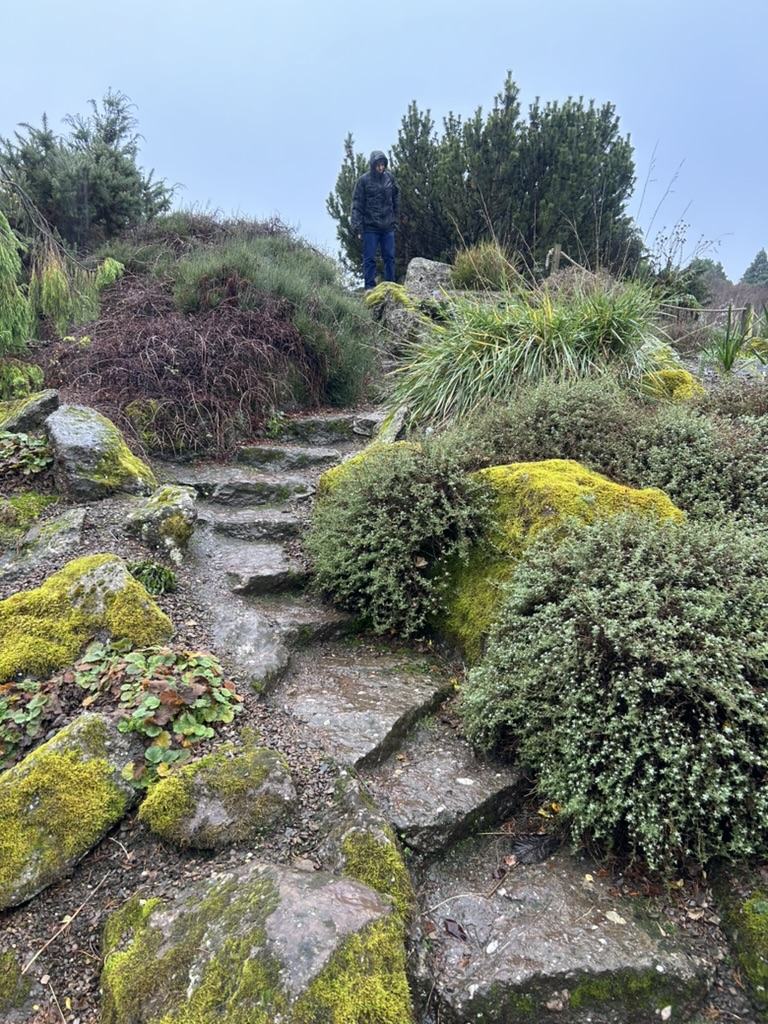
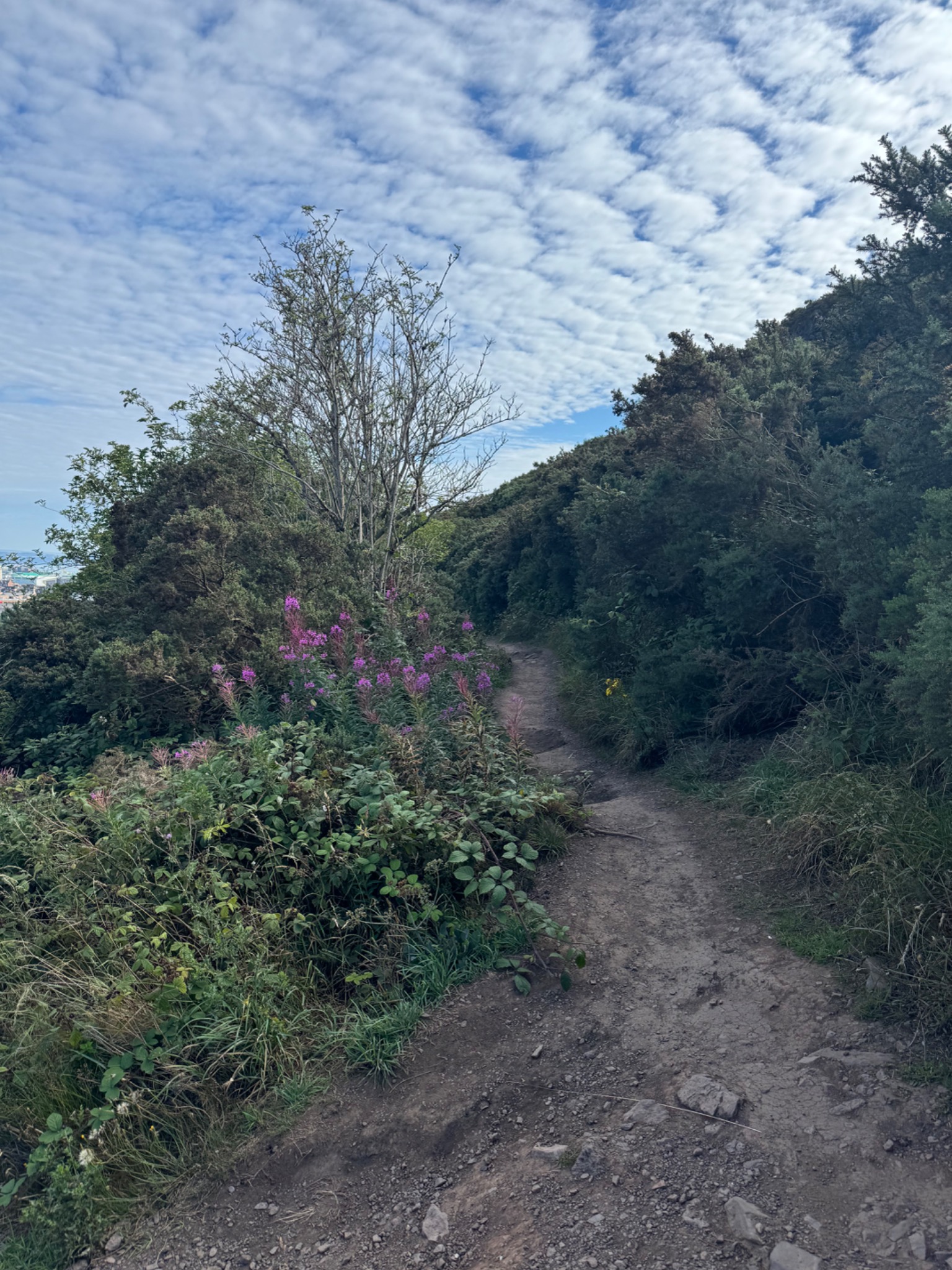
The farewell is happening slowly. My thoughts have already begun to drift away, yet I remain deeply connected to this place. I spent much of my time here alone, working on my research: walking the streets, going to the theatre, visiting museums, climbing hills in rain and wind. I was often alone, but I never felt out of place.
That is what makes leaving difficult.
Edinburgh has felt like my place, even though my life is elsewhere.
Perhaps I learned this kind of slow farewell when illness drew my grandfather into a world of his own. I began saying goodbye to him years before he died. Each time I held and kissed him, I felt as though I were taking a small piece of him with me, keeping it safe from disappearance.
Many times in my life, I have felt unrooted, as if I needed to keep moving.
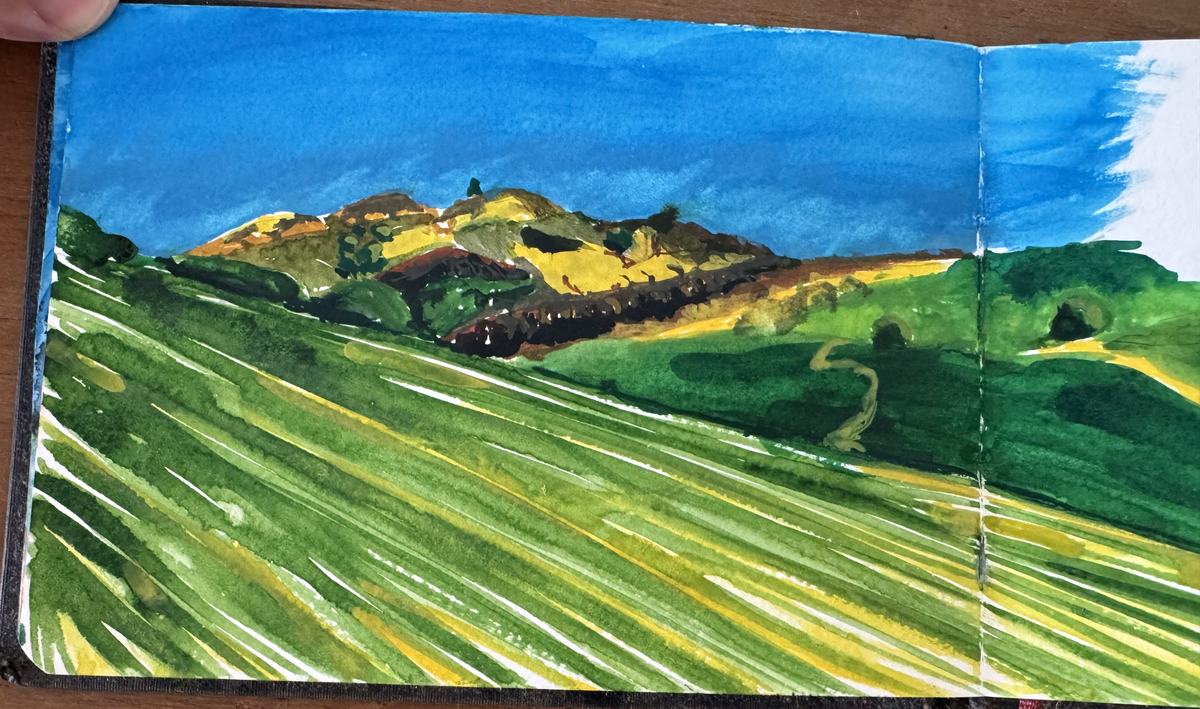
But as a child, living with my grandparents near Alcobaça, I knew something like home. I would disappear into the fields to listen to birds singing, water running and wind moving through the flowers. Sometimes I watched my grandfather's neighbour working the land. I could hear my grandmother calling from far away, but I returned only when I was ready to leave that world.
As I grew older, that closeness to the past changed form. I found it in archaeology, in museums and in clothes. My grandmother was a dressmaker, and by the time I was in seventh grade I was already drawing clothes, especially pleated skirts with square patterns.
Years later, I found a trunk of clothes that had belonged to earlier generations of my family. I brought some of them home and asked my grandmother to sew new pieces from my designs. Slowly, my style became my own: eclectic, rooted in times I had never lived. In the city, clothing became another way of remaining connected to the past.
My university uniform was a kilt.
Looking back, I wonder whether my attraction to tartans, kilts and wild landscapes was already drawing me towards a place I had never visited: Scotland.
Two years ago, I came to Edinburgh for a few days and left with the strange feeling that I would return. Eventually, I did.
Since then, I have spent months walking through its streets, museums, theatres, hills and shifting weather. Gradually, the city became familiar in a way I still struggle to explain: not as somewhere newly discovered, but as something remembered.
There is an atmosphere here that unsettles time for me. My life remains in the present, yet the past feels closer in this place than anywhere else I have known.
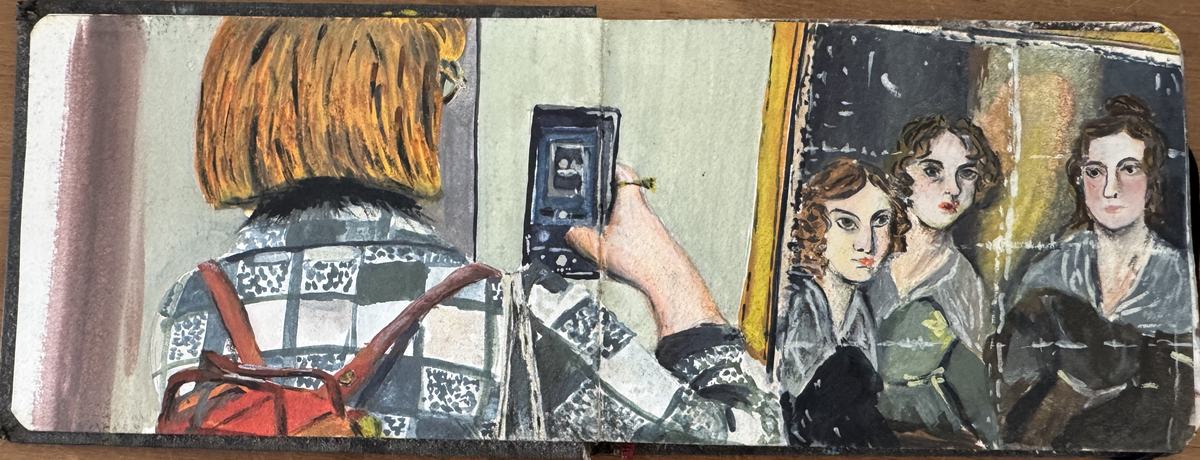
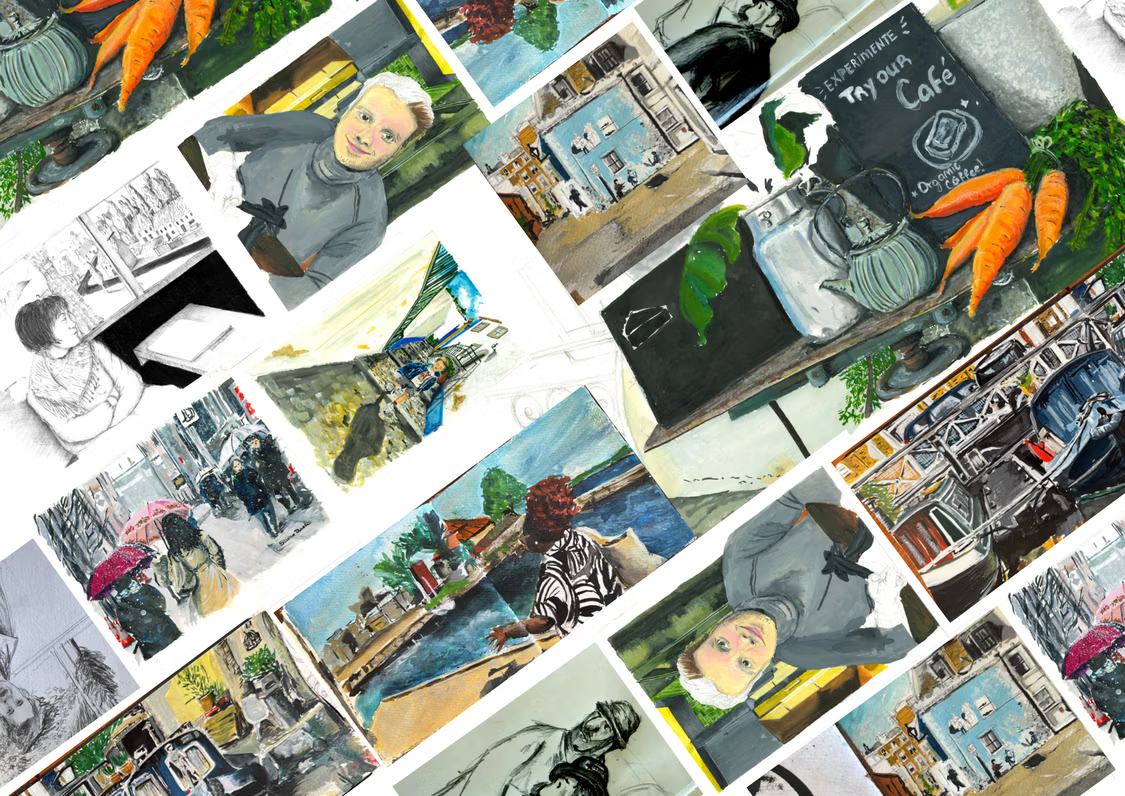
Sometimes it feels as though I am moving within a painting.
A city is not only its streets and weather. There were also people. G. had been my supervisor, and even before I arrived he warned me that he might leave. He did. J. came after him, quietly stepping in, and left just as quietly. I barely knew him, yet something in the way he lived stayed with me: a refusal to measure life only by its length, as if even a short time could be made full.
With G.'s departure, my path here began to narrow. With J.'s leaving, it closed more quickly.
Now I must return.
It is bittersweet. I want to be with my family, yet I am returning to a place where I have often felt the urge to leave.
One thing I know: I will carry Edinburgh with me, not only as a memory, but as a place that changed my sense of where home might be.
And still, it feels as though part of me will remain here.
Tidying Drawers
16 May 2026
What a calming feeling.Pending things that finally get put in orderAnd stop weighing on the mind.
No longer waking up with that concernOf having this, and that, and that still left to finish,To complete properly,In a way that leaves me satisfied with the path it took.
More than anyone else's appreciation,Feeling good about what I've doneIs fulfilment.
Finishing projects ahead of time,Having time not to think about them again until the deadline,Or choosingTo return to them and read them with different eyes.Or leaving them hidden among so many memories,One day forgotten.
It's dangerous because I know I'll want to change them.Sometimes I don't recognise myself in what I did and wrote.Sometimes I surprise myself.Other times I think I could have done better.That's the problem with self-criticism.
So in some cases I choose not to thinkAnd ignore the call of: go look at it again.It's easier to close the drawer and leave things tidy.Someday life will take care of piling more things on top of it.
A few months ago, I met my Professor to discuss a text he had written twenty-five years ago. I had sent him an email with countless questions. He replied by asking for a meeting so he could answer them. As we talked through it, he said he had written the text a long time ago, and that some points were no longer very clear in his mind.
Time does that. Tidying does too.
But in the middle of the conversation I realised that when we read our own work through other people's eyes, it helps us return to it.
It's Raining Outside
Schiphol terminal · 11 June 2026
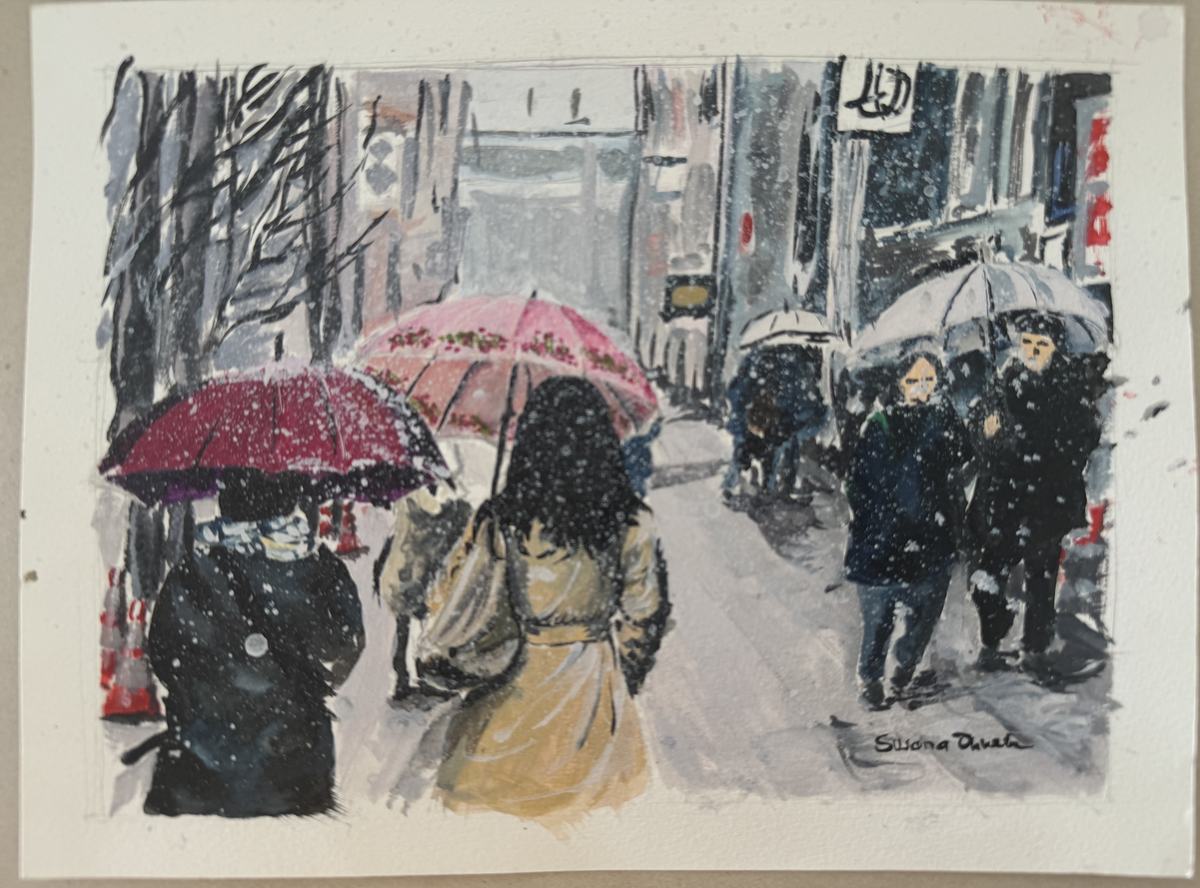
It's raining outsideWhile I wait for the windto carry me away from here.
I have been waiting for hours.
The rain falls silently.
It wets the road,wets the cars,wets the rooftops.
Vehicles passing,airplanes waiting.
Inside, I waitfor mine to take me away.
The rain moves.People move too,carrying suitcases.
They move while I wait.
Ten minutes pass,then twenty, thirty.
One, two, three, four hours.
I no longer look at faces.
I only hear voices,wheels that do not roll on the carpet.
Everything moves.
Beside me,a man types on his computer.
I feel the air shiftwhen a woman in front of mestands up to throw something away.
Restless,I decide to record what I am living.
At least my fingers can move,travelling through ideas.
I let my gaze wander again.
People circulate,drawing lines through the airas they move.
They drag their suitcases,carry their bodiestowards some destination.
The lines they trace disappearas quickly as they appear.
If I close my eyes,I can hearthe symphony of movement.